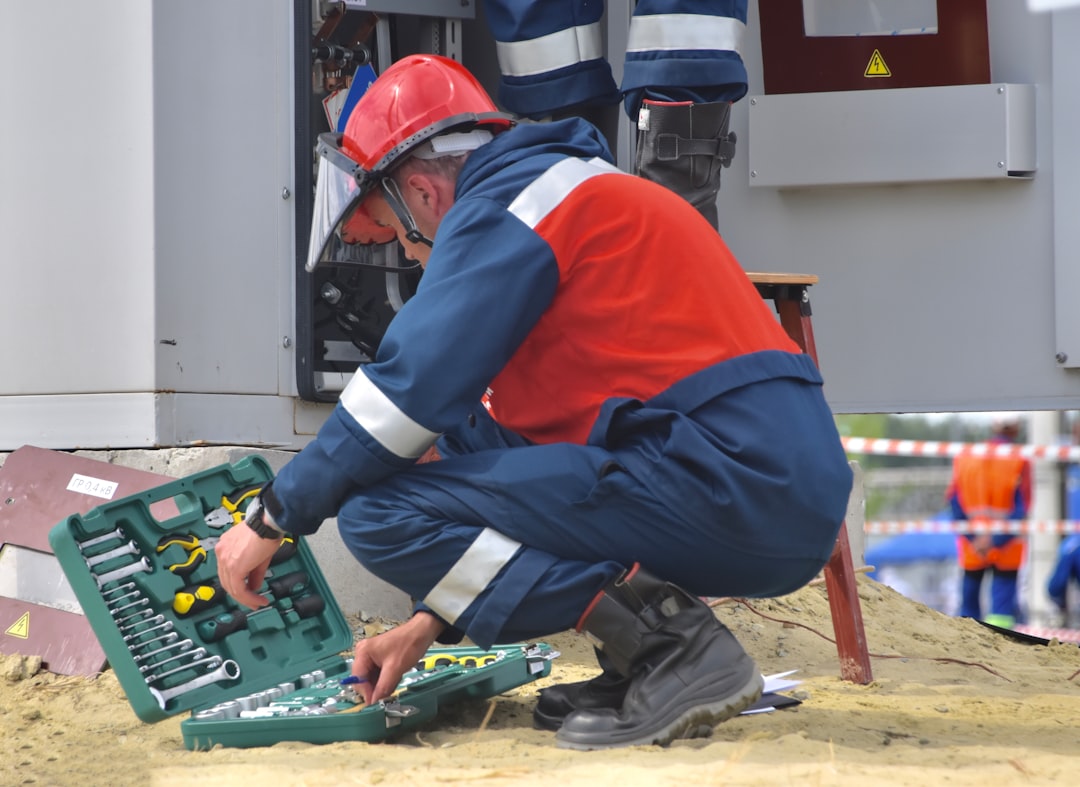
Metal manufacture is a crucial procedure in numerous industries, preparing for creating whatever from bridges to automobiles. This broad term encompasses numerous procedures, methods, and techniques that change raw metal right into useful items or elements. With the raising demand for customized options and advanced modern technologies, understanding the intricacies of steel manufacture is necessary for both manufacturers and consumers.
The steel fabrication procedure commonly includes a number of vital steps, consisting of cutting, bending, welding, and constructing. Each step plays a crucial function in identifying the final product’s top quality and efficiency. As an example, high-precision reducing methods like laser cutting or waterjet reducing enable complex layouts with very little waste. Flexing processes ensure that the steel elements are designed accurately to fit within total buildings, while welding methods, such as MIG (Metal Inert Gas) and TIG (Tungsten Inert Gas), ensure strong joints that are crucial for sturdiness.
Among the main benefits of steel construction is its adaptability. Different steels, including steel, light weight aluminum, and copper, can be used for different applications, depending on their residential or commercial properties and the needs of completion product. This flexibility enables industries to choose materials that best match their requirements, affecting toughness, weight, deterioration resistance, and cost-effectiveness. In addition, improvements in construction technologies have actually further broadened the series of applications and the complexity of designs that can be accomplished, equipping companies to introduce continually.
Metal fabrication not just serves functional functions but additionally adds substantially to the economic situation. The manufacture market creates work, drives technical innovation, and supports other markets such as construction, automobile, and aerospace. As sectors progress in the direction of even more sustainable techniques, steel fabrication is adapting to meet these obstacles by accepting brand-new technologies, such as automation and advanced robotics, to boost effectiveness while reducing environmental influence.
In conclusion, steel construction is an essential part of modern production and framework growth. Comprehending its techniques, applications, and value aids organizations and customers appreciate the intricacy behind the metal items we often take for given. As innovation remains to breakthrough, the possibilities for advancement within the steel fabrication industry will undoubtedly broaden, paving the way for a more efficient and lasting future.
